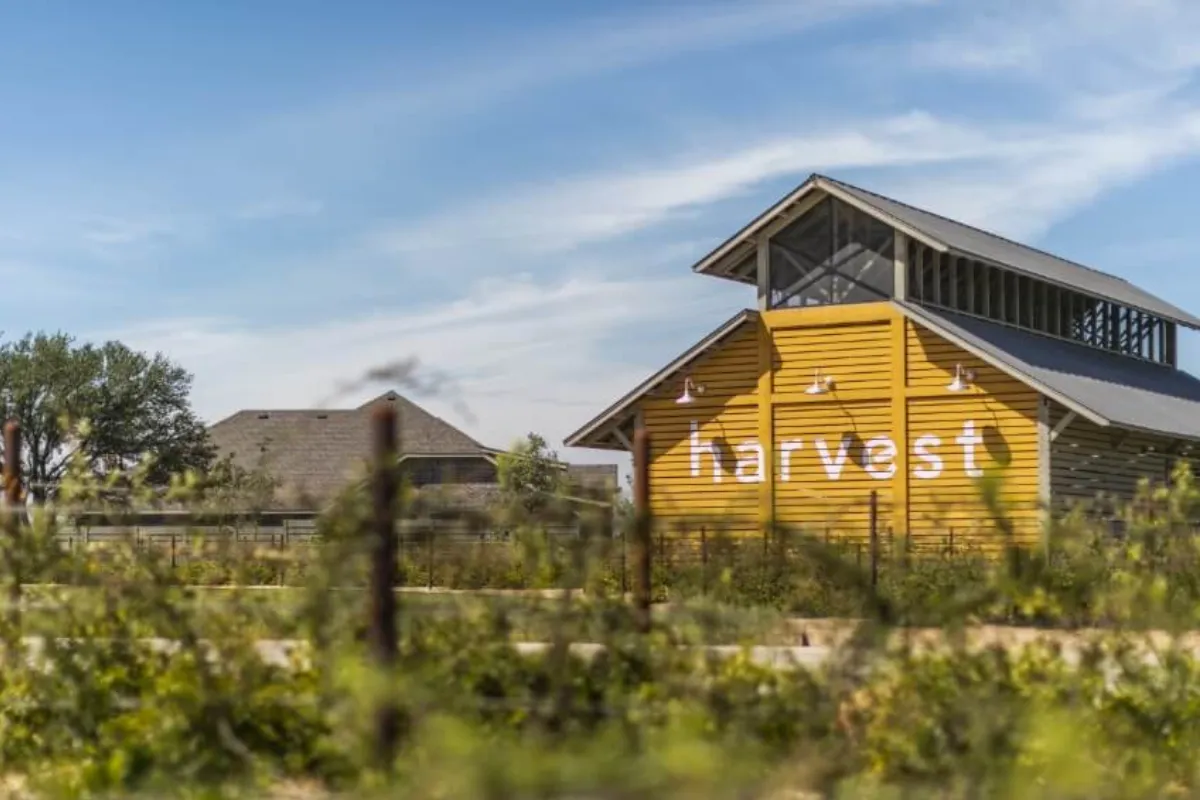
Living in Argyle, TX: What It’s Really Like
Argyle is one of those places that can be difficult to understand from a map alone.
It sits between Denton and Fort Worth, close enough to major highways, shopping, restaurants, and employment centers to feel connected to the rest of DFW. But drive through the older parts of Argyle and you will still find mature trees, winding roads, larger properties, and reminders that this was a small Texas town long before North Texas started expanding around it.
That contrast is a big part of Argyle’s appeal. It is also why moving here requires a little more research than simply searching for “homes for sale in Argyle, TX.”
I live in Argyle and have helped buyers and sellers throughout the area since 2016. Here is what I would want someone to understand before deciding whether Argyle is the right fit.
What Is It Like to Live in Argyle, Texas?
The short answer: Argyle offers more space and a quieter setting than many established DFW suburbs, but it is no longer a hidden rural town.
Growth is happening quickly. New neighborhoods, schools, retail projects, and road improvements are changing the area. You can still find acreage, custom homes, horses, and quiet streets, but you can also find newer master-planned communities with pools, parks, trails, and neighborhood events.
The experience you have in Argyle will depend heavily on where you live.
A home near historic Argyle and Highway 377 may feel completely different from one near I-35W or inside a large community west of town. That is why I recommend choosing the location and neighborhood first, then narrowing down individual homes.
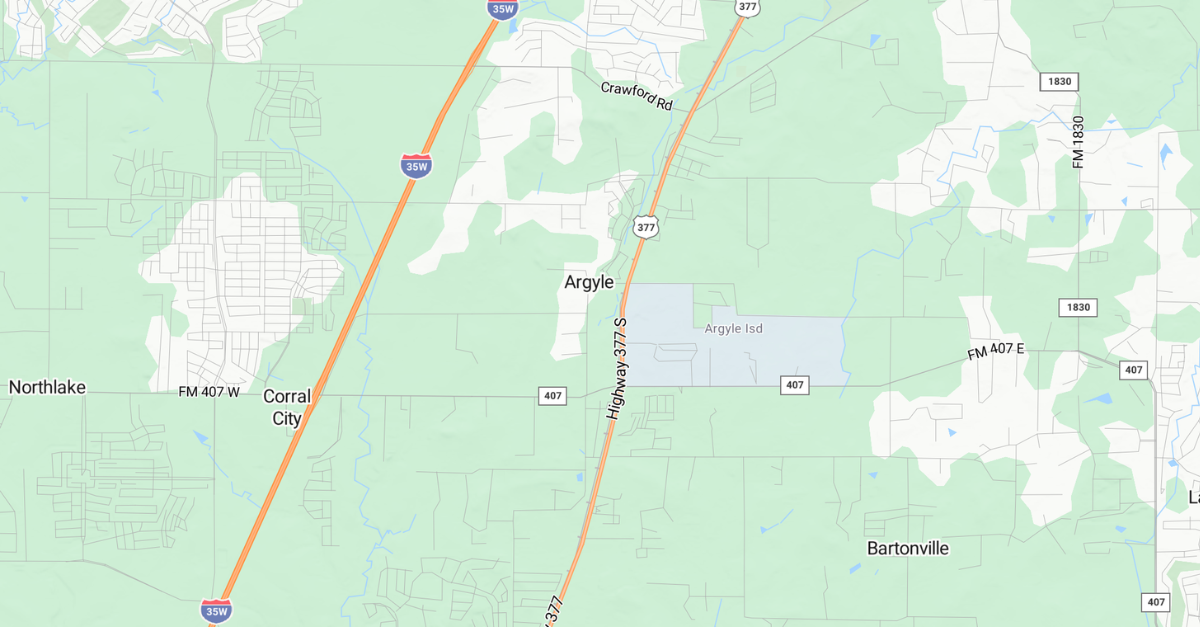
Where Is Argyle?
Argyle is located in southern Denton County, approximately:
10 miles south of central Denton
25 miles north of downtown Fort Worth
30 miles northwest of Dallas Fort Worth International Airport
35 miles northwest of downtown Dallas
Those are approximate distances, not guaranteed commute times. Traffic conditions and the specific side of Argyle where you live can make a significant difference.
Access to I-35W makes Fort Worth, Alliance, Roanoke, and the northern DFW employment corridor relatively accessible. Highway 377 and FM 407 connect Argyle with Denton, Flower Mound, Highland Village, Northlake, and surrounding communities.
Argyle Is Growing, but It Still Feels Different
According to the U.S. Census Bureau, Argyle’s estimated population grew from 4,403 in 2020 to 6,372 in 2025. That represents an estimated increase of nearly 45 percent in five years. U.S. Census Bureau
Those numbers only tell part of the story.
Many neighborhoods commonly associated with “Argyle” are located outside the town limits, within the Argyle postal area, or inside another nearby municipality. The Argyle mailing address, Town of Argyle boundaries, Argyle ISD boundaries, and neighborhood boundaries do not always match.
This matters when you are comparing:
Property taxes
School attendance zones
Municipal services
HOA amenities and fees
Water and utility providers
Future development
Commute routes
Two homes with an Argyle address can offer very different ownership experiences. Before purchasing, verify each of these items for the individual property rather than relying on the listing’s city name alone.
The Different Types of Homes in Argyle
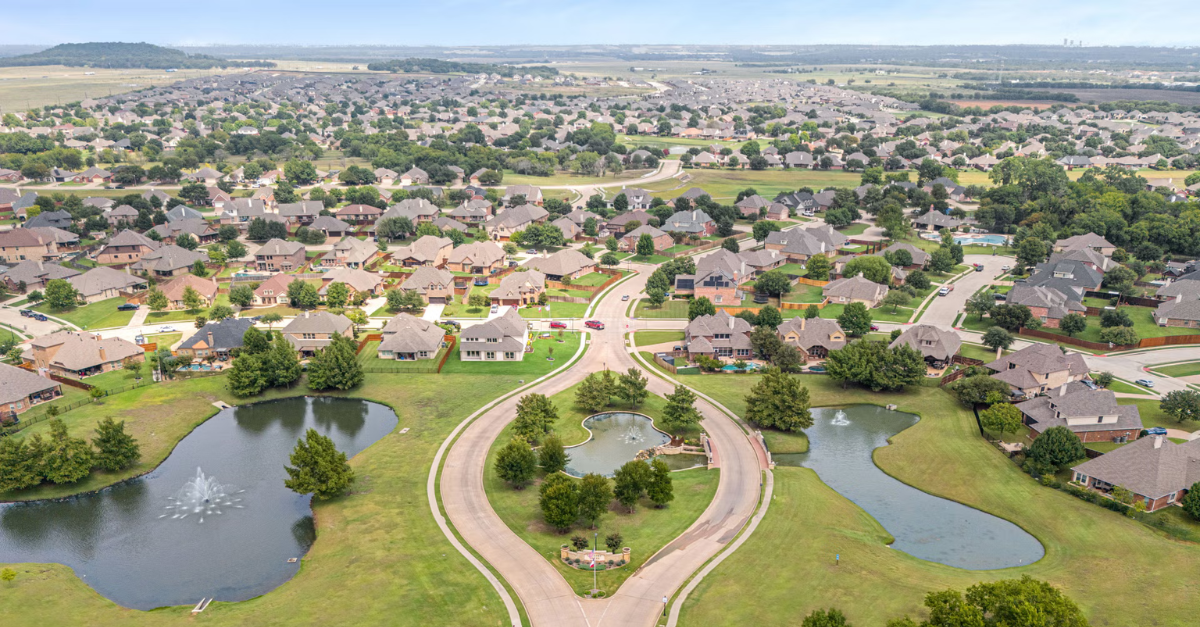
One of Argyle’s strengths is that it does not offer just one type of neighborhood.
Established Argyle
The more established portions of Argyle tend to have mature landscaping, larger lots, custom homes, and a less uniform appearance. Some properties offer acreage, workshops, pools, guest houses, or room for animals.
Buyers are often drawn to these homes because they feel more private and distinctive. The tradeoff is that older or custom properties can come with more maintenance, septic systems, wells, unusual easements, or renovation needs.
Master-Planned Communities
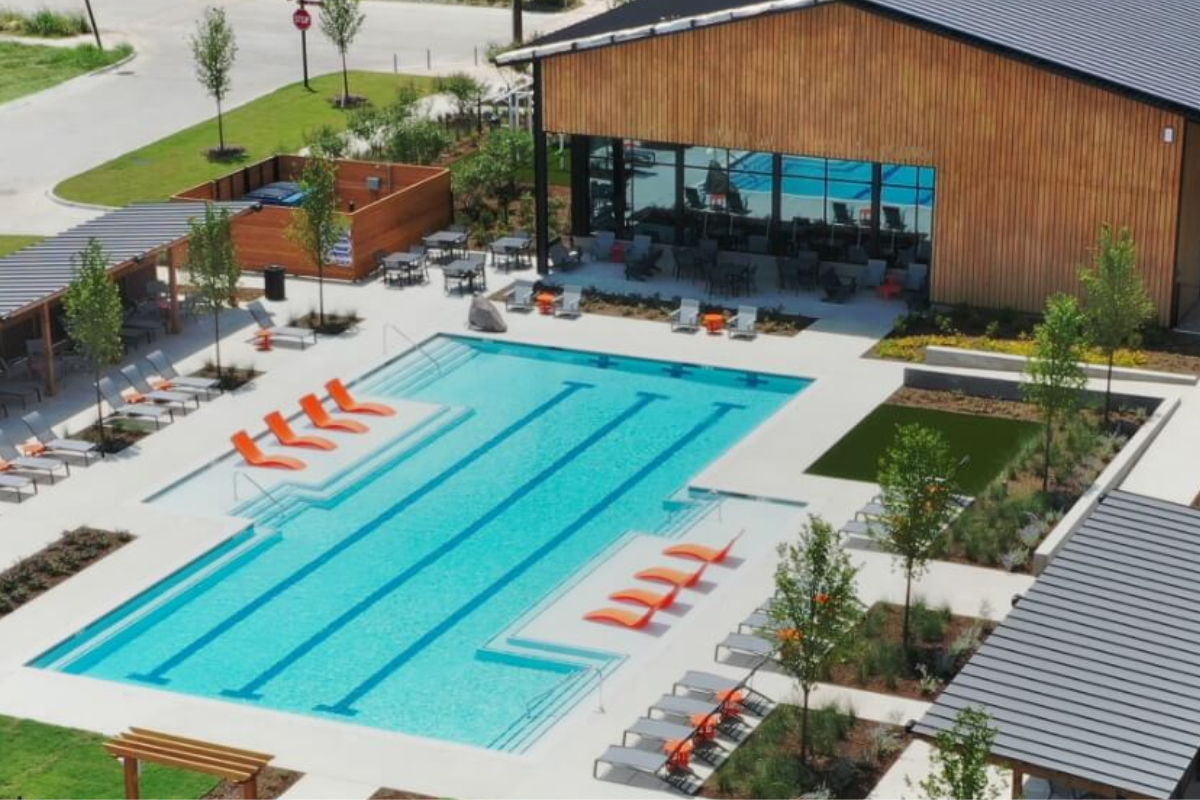
Communities in and around the greater Argyle area offer newer homes and shared amenities such as pools, playgrounds, trails, fitness facilities, community events, and open space.
Depending on the exact location, buyers may consider neighborhoods such as:
Harvest
Canyon Falls
Country Lakes
5T Ranch
Carnegie Ridge
Waterbrook
Lakes of Argyle
The Ridge at Northlake
These neighborhoods are not interchangeable. They vary in school zoning, tax rates, lot sizes, builders, HOA structure, amenities, and proximity to major roads.
Acreage and Luxury Homes
Argyle is also known for custom and luxury properties, particularly homes on larger lots or acreage.
This part of the market can include newer estates, older homes with significant updates, equestrian properties, and custom homes with pools, outdoor living spaces, workshops, or guest accommodations.
When comparing acreage homes, pay close attention to matters that may not appear in the listing photos, including drainage, deed restrictions, agricultural exemptions, fencing, well and septic condition, road access, and plans for nearby land.
What Should You Know About Argyle ISD?

Argyle Independent School District is one of the primary reasons many buyers begin researching the area, but school boundaries should always be verified for a specific address.
Argyle ISD describes itself as a fast-growth district serving more than 6,000 students across seven campuses. The district covers approximately 35 square miles. Argyle ISD
That growth is producing meaningful changes. The district has approved a long-range plan that includes campus reconfigurations and additional facilities. Michael Ball Intermediate School is scheduled to serve grades five and six in the west zone beginning in the 2027–2028 school year, while a new east-zone middle school is planned for the 2029–2030 school year. Argyle ISD long-range plan
The important takeaway is not simply that Argyle ISD is growing. It is that attendance patterns and campus assignments may continue to change as the district responds to enrollment.
Before buying a home:
Verify the current school assignment directly with the district.
Ask whether any approved boundary changes affect the property.
Confirm the timeline for future campuses.
Never rely exclusively on an MLS listing or third-party real estate website for school information.
Shopping, Restaurants, and Everyday Convenience
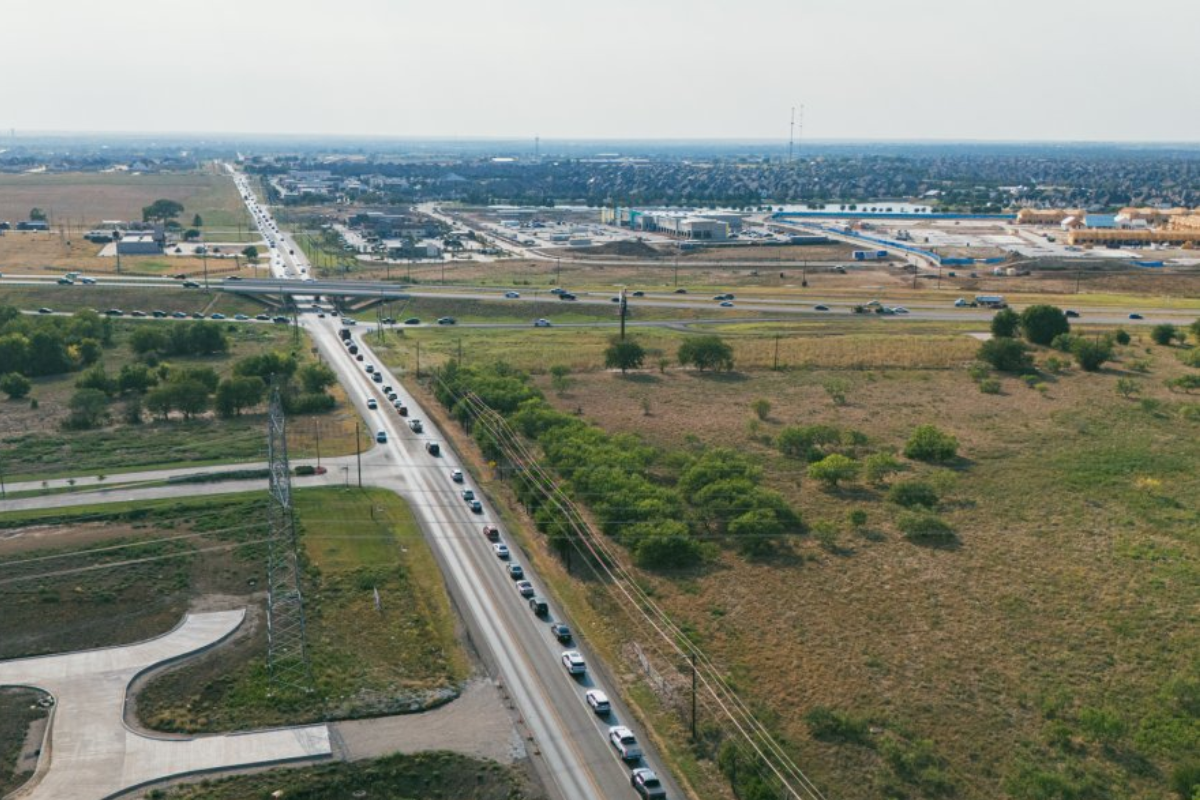
Argyle is not the place to move if your goal is to live in the middle of a dense entertainment district. However, everyday convenience has improved considerably.
Depending on where you live, shopping and dining options are available along Highway 377, FM 407, I-35W, and in nearby Flower Mound, Highland Village, Roanoke, Denton, and Northlake.
That location gives residents access to several surrounding destinations rather than one central commercial area. On the practical side, that can mean driving 10 to 20 minutes for certain errands, restaurants, or activities.
More commercial development is coming, particularly around major corridors. That will add convenience, but it will also bring more traffic and change to an area that many residents value for its quieter character.
Parks and Outdoor Space
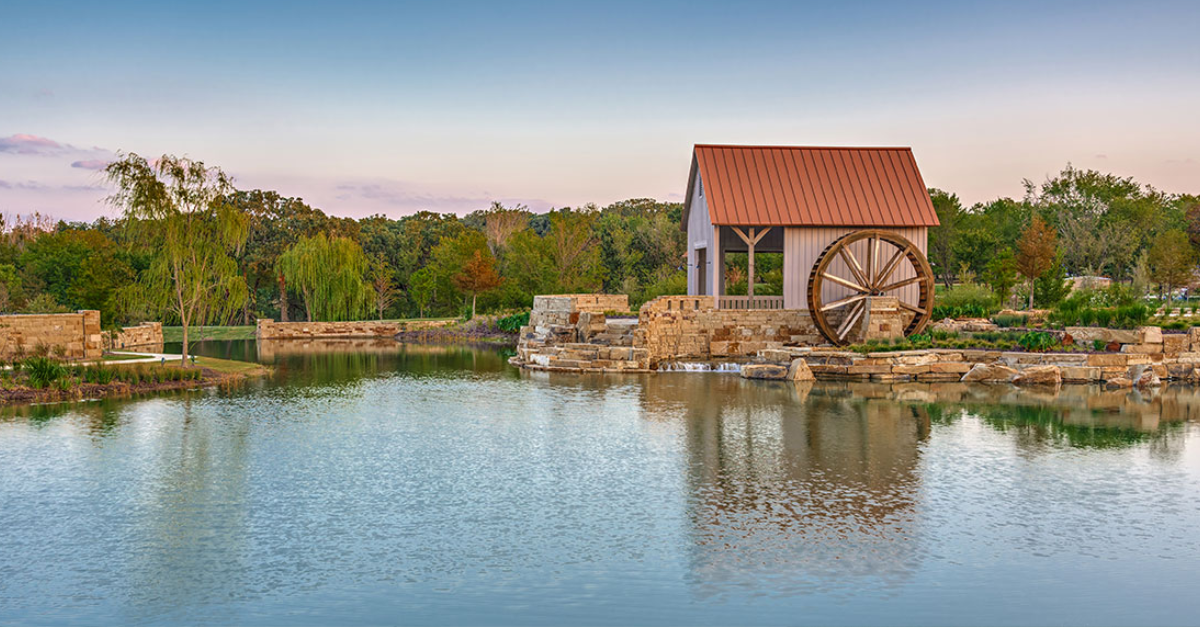
Argyle’s setting is one of the things that separates it from more densely developed suburbs.
You will find rolling terrain, mature trees, ponds, trails, greenbelts, and larger properties throughout the area. Unity Park, operated by the Town of Argyle, includes sports fields and courts, while many newer communities provide their own trail systems, pools, parks, and gathering spaces.
The Town has also established a goal of reaching 35 percent tree-canopy coverage through programs and enforcement of its tree ordinance. Town of Argyle
If outdoor space is one of your priorities, compare more than the size of the backyard. Look at trail access, nearby development plans, drainage areas, tree coverage, community open space, and what may eventually be built behind the property.
Traffic and Commuting
Traffic is probably the most important downside to discuss honestly.
FM 407 and Highway 377 can become congested during peak periods, and school traffic adds pressure at certain times of day. Construction and continued development can make travel times less predictable.
TxDOT has proposed widening approximately 11.5 miles of FM 407 between Bill Cook Road and FM 1830 from a two-lane rural roadway to an eventual six-lane divided roadway with pedestrian and bicycle accommodations. TxDOT FM 407 project
Road improvements may help accommodate long-term growth, but construction itself can create short-term inconvenience.
If you are moving to Argyle and commuting regularly, I recommend driving your likely route during the actual morning and evening commute. A route that looks easy on Sunday afternoon may feel very different at 7:30 on a weekday morning.
The Pros and Cons of Living in Argyle
Potential advantages
A quieter setting than many densely developed DFW suburbs
Access to newer communities, established homes, acreage, and luxury properties
Convenient positioning between Denton and Fort Worth
Proximity to I-35W, Highway 377, and FM 407
Community pools, parks, trails, and open space in many neighborhoods
A growing selection of nearby shopping and dining
Distinctive properties that can be difficult to find elsewhere in North Texas
Potential drawbacks
Increasing traffic and ongoing road construction
Higher prices than some surrounding communities
Property-tax rates that can vary significantly by neighborhood
MUD or PID assessments in certain newer developments
Limited walkability outside individual master-planned communities
Continued residential and commercial development
School boundaries and municipal jurisdictions that can be confusing
More maintenance considerations for acreage, custom, or older homes
Argyle is not automatically the right answer for every buyer. The goal is to understand which compromises matter to you and which ones do not.
How Much Does It Cost to Live in Argyle?
There is no single “typical” Argyle home.
Prices vary considerably depending on:
Lot size
Age and condition
School zoning
Town or municipal jurisdiction
New-construction incentives
HOA fees
MUD or PID assessments
Amenities
Acreage
Custom features
Proximity to major roads
You may encounter everything from more attainable homes in surrounding Argyle-area communities to custom estates priced well above $1 million.
Instead of relying on a broad citywide average, compare homes within the same neighborhood, school zone, lot-size category, and tax structure. That produces a much more useful picture of affordability.
Is Argyle a Good Place to Live?
Argyle may be a strong fit if you want more breathing room while remaining connected to the larger DFW area. It can also work well for buyers who value neighborhood amenities, larger lots, distinctive homes, or access to the Argyle area’s schools and activities.
It may be less appealing if you want extensive walkability, a short commute into central Dallas, minimal property maintenance, or a community that is already finished growing.
The best way to evaluate Argyle is to experience its different sections. Drive the commute, visit the neighborhoods, compare tax rates, and see where you would actually shop, eat, exercise, and spend your time.
Thinking About Moving to Argyle?

I live in Argyle and help buyers compare the neighborhoods, tax structures, schools, builders, commute routes, and future development that can affect daily life here.
If you are considering a move, I can help you narrow the area before you spend weekends touring homes that do not really fit what you need. Find Your Fit Survey
Schedule a Denton County Moving Call, or request my Denton County Relocation Guide to begin comparing your options.