Living in Argyle, TX: What It’s Really Like
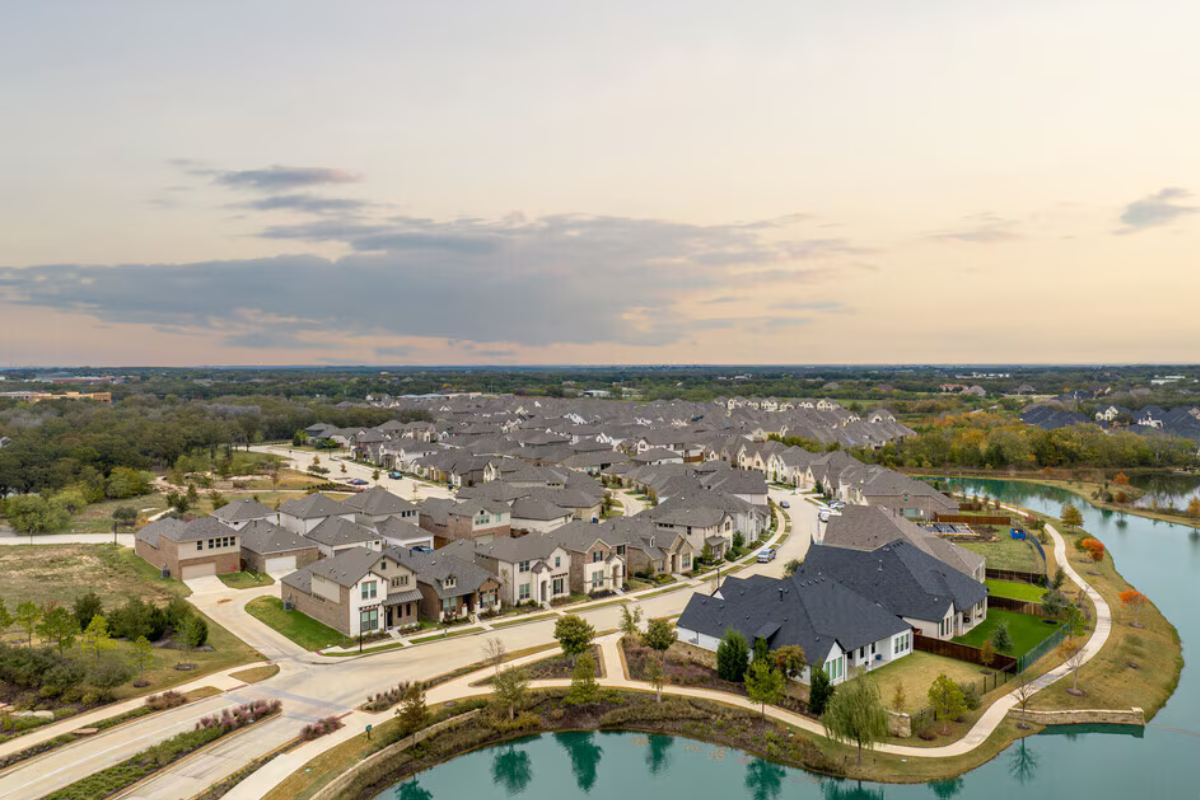
Argyle is one of those places people often hear about before they fully understand it.
They hear about the schools. They see the larger homes, acreage properties and newer master-planned communities. They notice that Argyle feels quieter than much of the Dallas–Fort Worth area while still being reasonably close to Denton, Fort Worth and DFW Airport.
Then they begin looking at homes and realize something:
“Argyle” can mean several different things depending on the address, neighborhood, school district and even which side of the road you are standing on.
I live in Argyle and have helped buyers and sellers throughout this part of Denton County since 2015. Here is what living in Argyle, Texas is actually like—including the parts that do not always make it into the relocation brochures.
Living in Argyle, TX: What It’s Really Like
Argyle Feels Rural, but It Is Not Remote
The Argyle Address Can Be Confusing
What Types of Homes Can You Find in Argyle?
Argyle ISD Is a Major Part of the Area’s Identity
Everyday Life Is Quieter and More Community-Oriented
You Will Probably Spend More Time in the Car
Shopping and Restaurants Are Improving, but Still Limited
Growth Is the Biggest Ongoing Conversation
The Pros and Cons of Living in Argyle
Is Argyle a Good Place to Live?
Argyle Feels Rural, but It Is Not Remote
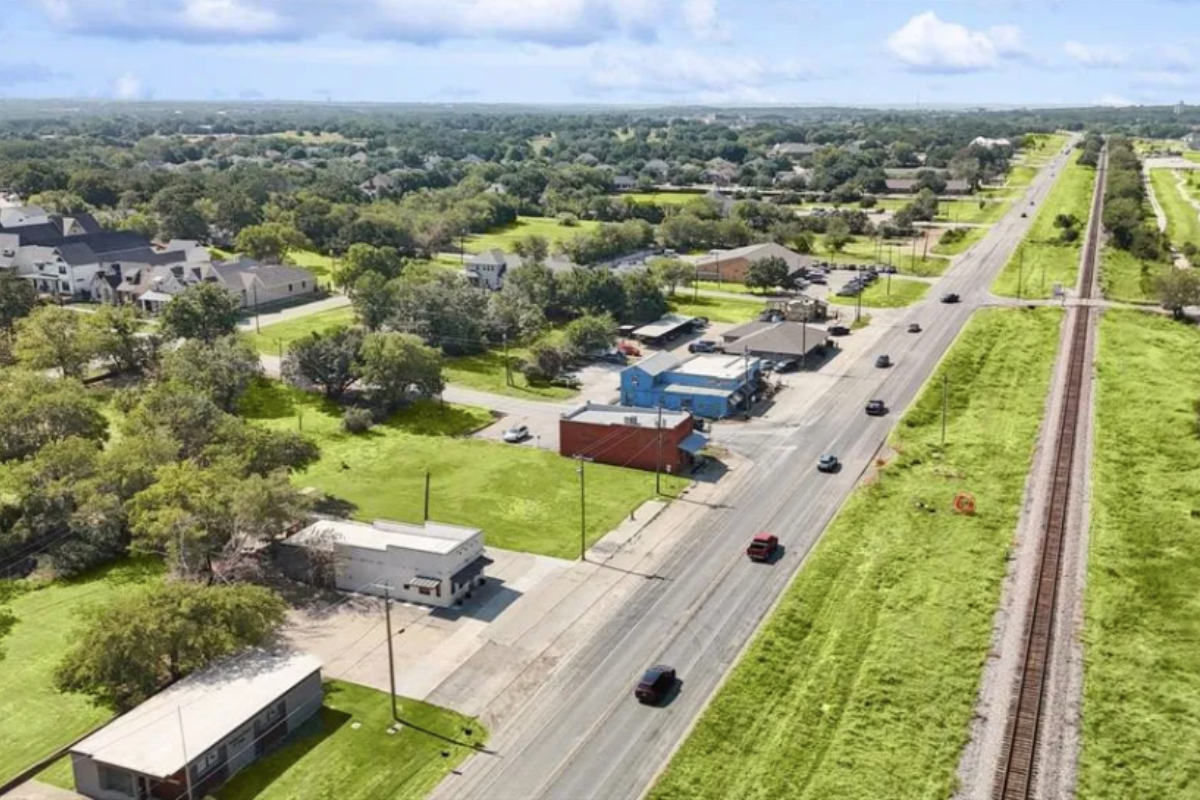
The simplest way to describe Argyle is rural-suburban.
You still see open land, mature trees, horses, barns and larger residential lots throughout parts of town. Argyle does not feel like a traditional suburb where every street is lined with nearly identical subdivisions and commercial development is available on every corner.
At the same time, you are not isolated from the rest of North Texas.
Argyle sits between Denton and Fort Worth, with access to major routes including I-35W, Highway 377 and FM 407. Depending on where you live, you can reach shopping, restaurants and everyday services in Denton, Flower Mound, Roanoke, Highland Village or Alliance.
That combination is a major part of Argyle’s appeal: more room and a quieter setting without completely removing yourself from the Metroplex.
However, living here generally means accepting that you may drive outside Argyle for certain errands, restaurants, entertainment and medical appointments.
If your ideal lifestyle involves walking from your home to coffee shops, restaurants and nightlife, Argyle probably will not be your best fit. If you would rather have more space and do not mind driving 10 to 20 minutes for some conveniences, it may make considerably more sense.
The Argyle Address Can Be Confusing
This is one of the most important things for relocating buyers to understand.
A property with an Argyle mailing address is not automatically located within the Town of Argyle or Argyle Independent School District.
The broader Argyle area includes multiple towns, municipalities, subdivisions and school-district boundaries. Depending on the property, an Argyle address may be associated with Argyle, Northlake, Flower Mound, Bartonville or another nearby jurisdiction.
The same applies to schools. Two homes located only a short distance apart may be zoned to different districts or campuses.
That can affect:
School attendance zones
Municipal services
Property-tax rates
HOA or community amenities
Utility providers
Future development surrounding the property
Resale comparisons
Never rely exclusively on the city shown in an online listing. If a particular municipality or school district matters to you, confirm the property’s boundaries and current school assignment before making an offer.
The mailing address is only the beginning of the research—not the final answer.
What Types of Homes Can You Find in Argyle?
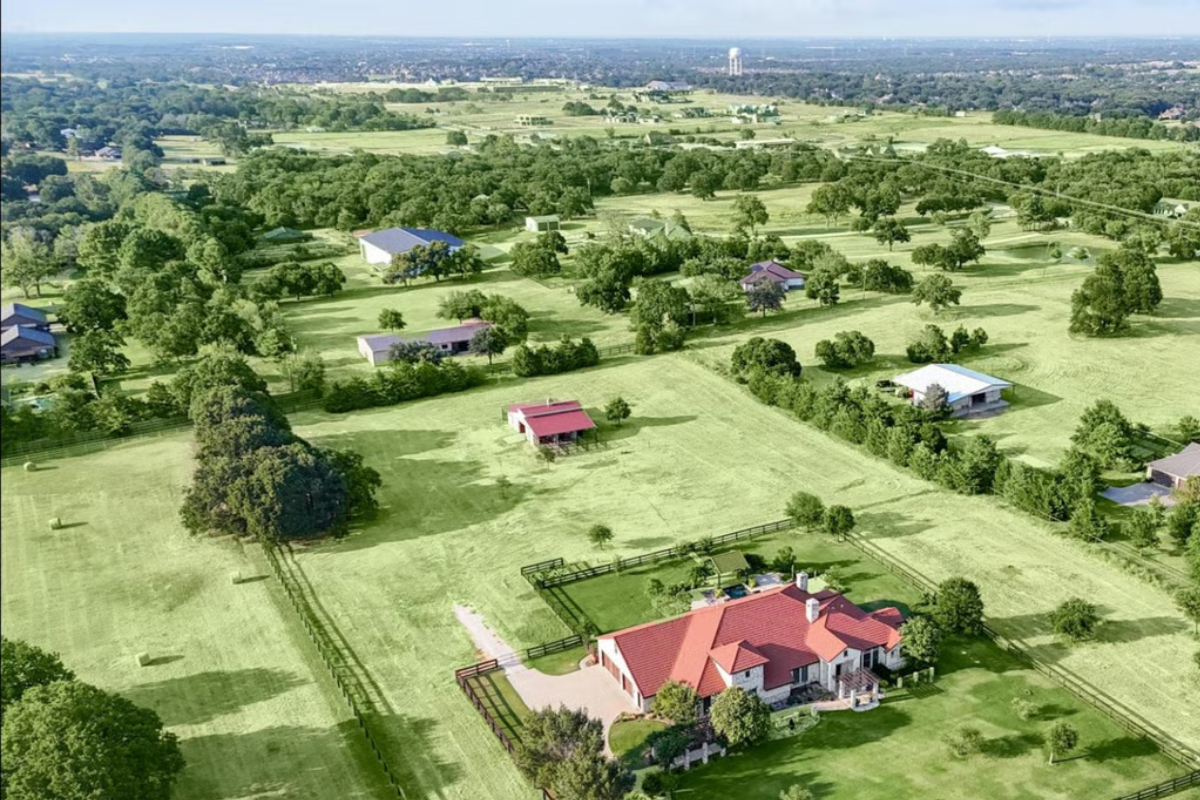
Argyle offers a wider variety of properties than many buyers initially expect.
Established Homes and Larger Lots
Some of the most recognizable parts of Argyle feature custom homes, mature trees and larger homesites. You can find properties on half-acre, one-acre and occasionally much larger tracts.
These homes appeal to buyers who want privacy, outdoor space, a workshop, room for a pool or simply more separation between neighbors.
The tradeoff is that older or custom homes are not always easy to compare. Construction quality, renovations, land, outbuildings and location can create significant differences between homes that appear similar online.
Traditional Neighborhoods
Argyle also has established neighborhoods offering a more conventional suburban experience. These can provide sidewalks, neighborhood amenities and a stronger community feel without the scale of a massive master-planned development.
Examples in and around the Argyle area include Country Lakes, The Oaks of Argyle, Carnegie Ridge and other smaller communities.
Master-Planned Communities
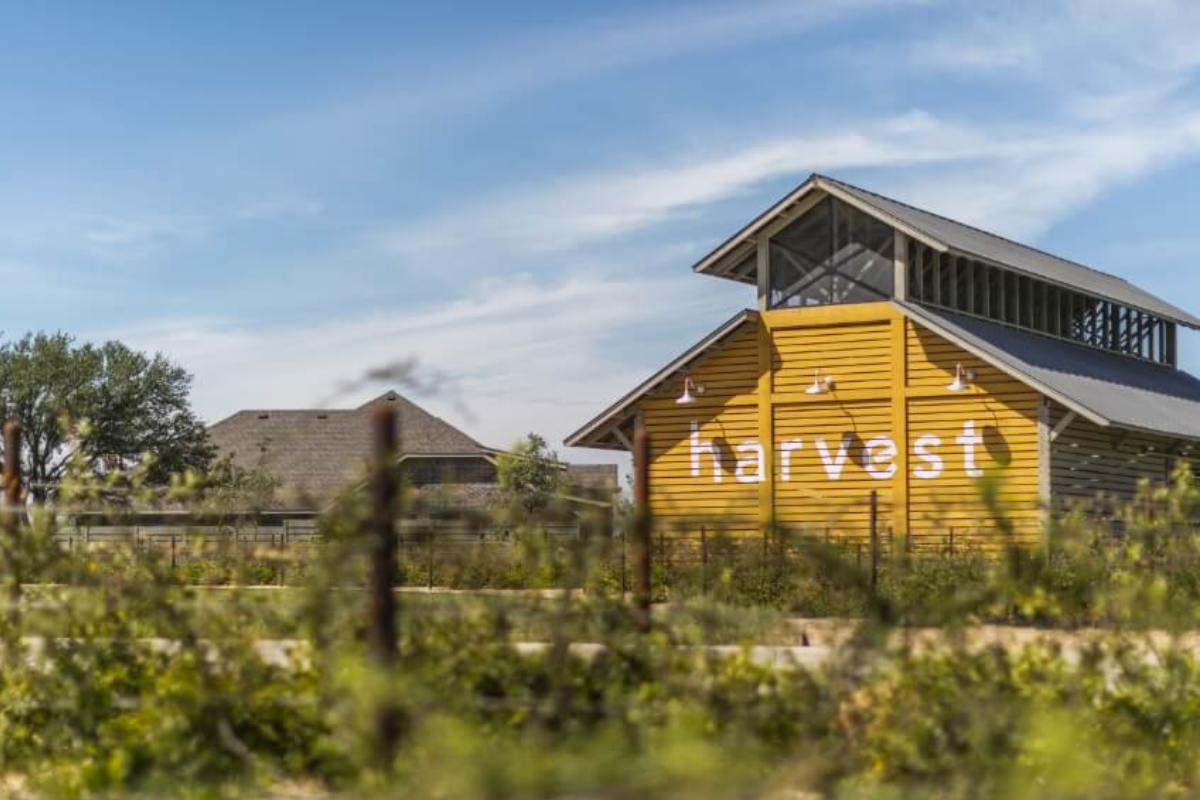
The broader Argyle area includes several large or growing developments, including Harvest and Canyon Falls, along with newer development extending toward Northlake and I-35W.
These communities may offer:
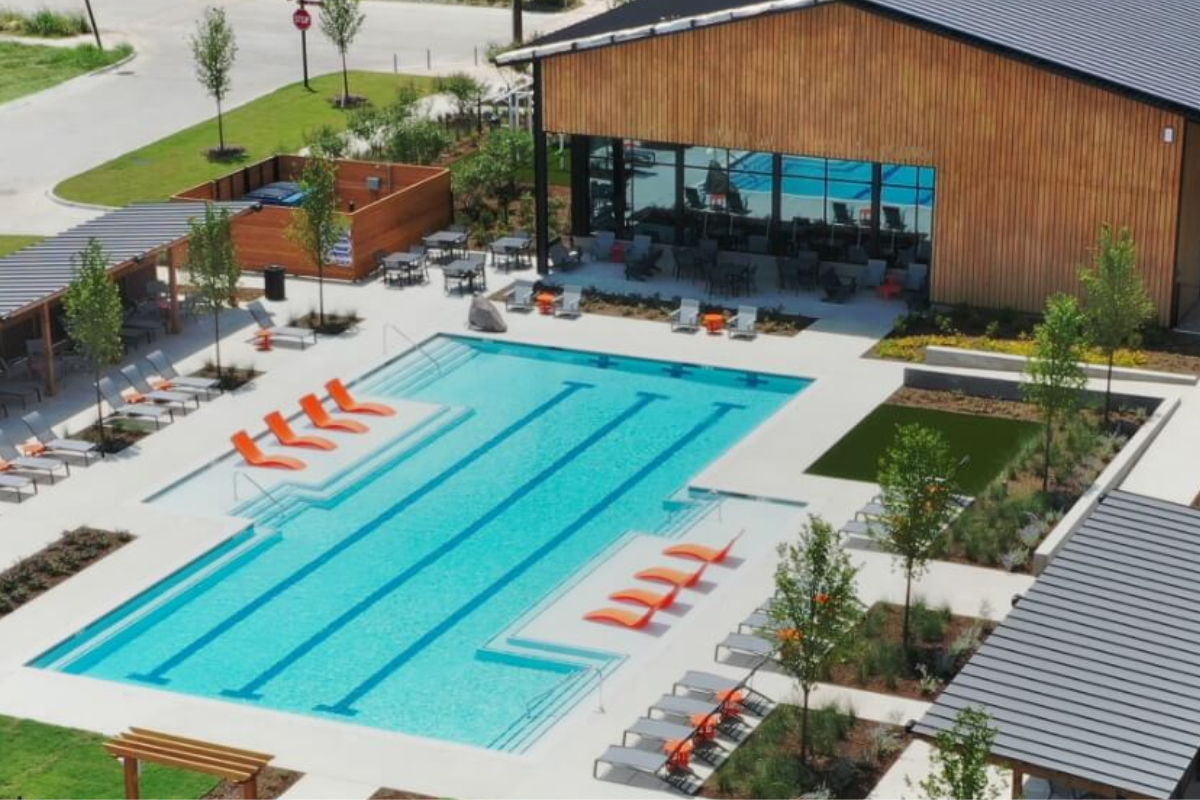
Resort-style pools
Fitness facilities
Parks and playgrounds
Walking and biking trails
Community events
On-site schools or nearby campuses
HOA-maintained common areas
They provide a different experience from living on acreage in the older portions of Argyle. Neither option is automatically better—it depends on whether you value privacy and land or amenities and built-in community activities.
New Construction
New construction remains a major part of the housing landscape around Argyle and Northlake.
Buyers can find everything from more traditionally sized neighborhood homes to luxury builds and custom construction. Available builders, incentives and inventory change frequently, so it helps to compare the entire cost rather than focusing only on the advertised base price.
Lot premiums, structural upgrades, design selections, HOA dues, tax rates and additional assessments can substantially affect the final number.
Argyle ISD Is a Major Part of the Area’s Identity
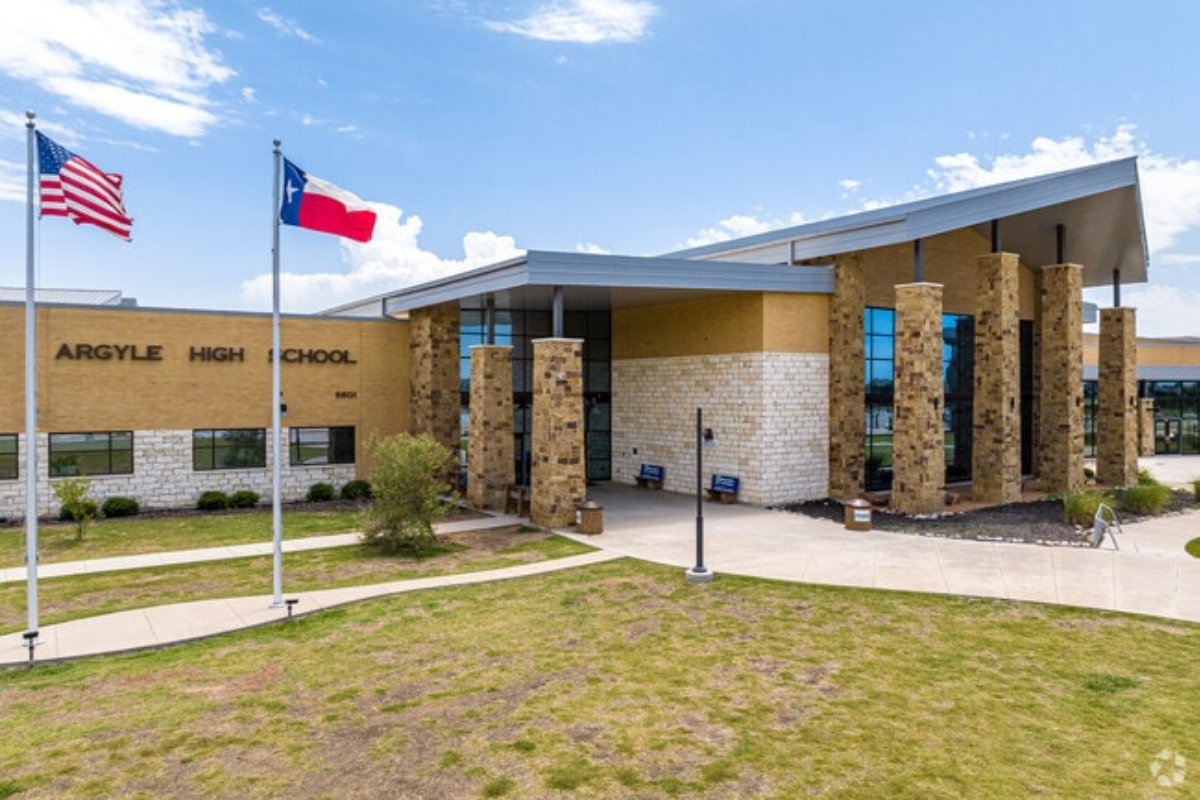
Argyle Independent School District is one of the most common reasons buyers begin researching the area.
The district has grown alongside southern Denton County and currently reports more than 6,600 enrolled students across its campuses. That growth has brought new schools, changing attendance boundaries and ongoing conversations about facilities and long-term planning. Argyle ISD publishes its current enrollment figures and campus information online.
For buyers, the important lesson is not to assume every Argyle address feeds into Argyle ISD—or that current campus assignments will always remain unchanged.
Before purchasing, verify:
The school district serving the property
Current elementary, middle and high school assignments
Proposed boundary changes
Nearby campus construction
Transportation options
The district’s current tax rate
School quality is personal, and rankings do not tell the entire story. Families should review official district information, visit campuses when possible and decide which educational environment fits their priorities.
Everyday Life Is Quieter and More Community-Oriented
Argyle does not have a large downtown entertainment district. The lifestyle is built more around neighborhoods, schools, sports, churches, outdoor space and community events.
You will find local restaurants and businesses, but many residents regularly travel into Denton, Roanoke, Flower Mound, Highland Village or the Alliance area for a broader selection.
That is either a positive or a drawback depending on what you want.
For many residents, an ordinary weekend might include:
Youth sports or school activities
Walking neighborhood trails
Visiting a community pool
Eating at a nearby local restaurant
Driving into Denton or Roanoke for dinner
Working around the house or property
Attending a town, neighborhood or church event
The community is growing, but Argyle still makes a deliberate effort to retain its small-town identity. The town itself describes that identity in terms of a rural setting, community pride and carefully managed growth. According to the U.S. Census Bureau, Argyle’s estimated population increased from approximately 4,400 in 2020 to more than 6,300 in 2025—meaning residents are actively watching how that growth changes the area. View current Argyle population data from the U.S. Census Bureau.
You Will Probably Spend More Time in the Car
This is one of the clearest tradeoffs of living in Argyle.
Your commute will depend heavily on the exact location of your home. Living near I-35W creates a different routine than living closer to Highway 377, Bartonville or the western side of the area.
Common destinations may include:
Denton
Alliance and north Fort Worth
Flower Mound
Southlake
DFW International Airport
Downtown Fort Worth
Dallas
Commuting into Denton, Alliance or north Fort Worth may be manageable from many parts of Argyle. A daily drive into downtown Dallas, Plano or other eastern portions of DFW is a much larger commitment.
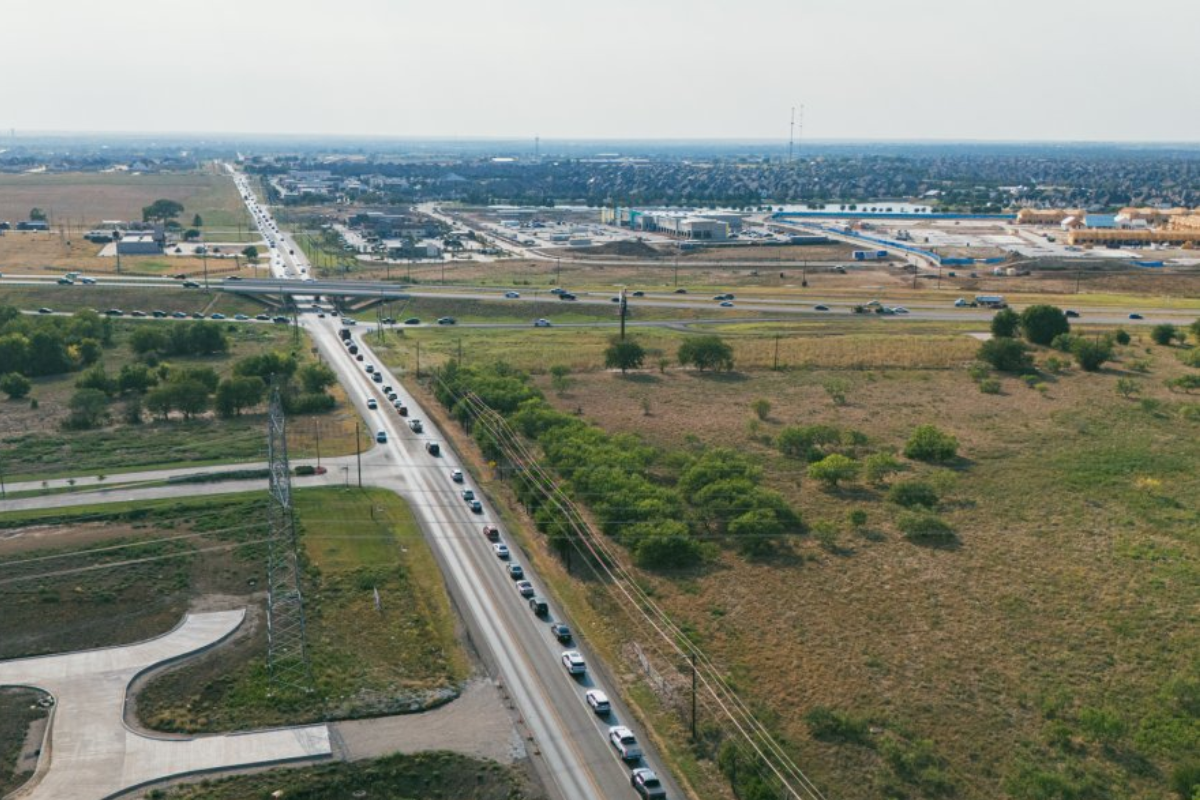
Traffic along FM 407, Highway 377 and the I-35W interchange can also become congested during peak school and commuting hours. Continued residential and commercial development means road construction will remain part of the area’s story.
My advice is simple: test the actual drive during the time of day you expect to make it. A map’s mileage estimate does not always capture school traffic, construction or the difference between one side of Argyle and the other.
Shopping and Restaurants Are Improving, but Still Limited
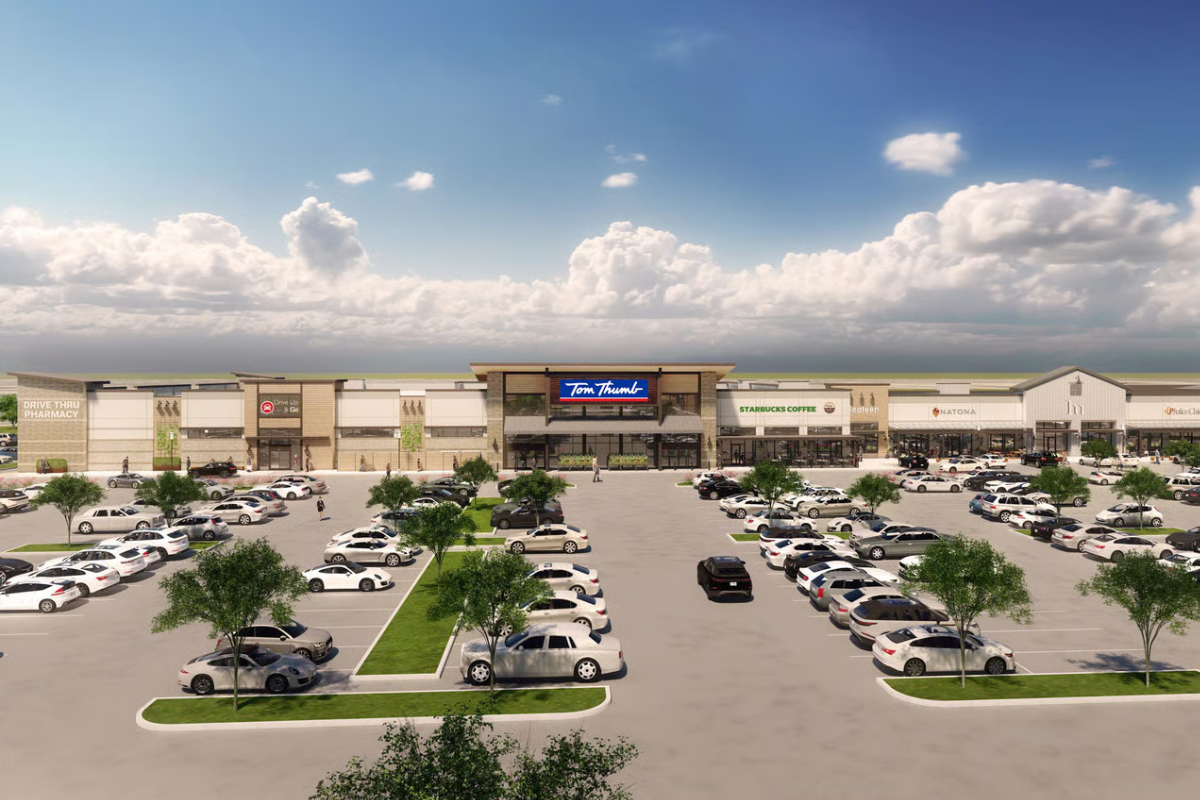
Argyle has gained more restaurants, services and commercial development, particularly around FM 407 and I-35W. Additional projects are planned or under consideration as the surrounding population grows.
Even so, Argyle is not currently a place where every major retailer, restaurant and service is located within town limits.
Residents often use:
Denton for restaurants, entertainment and major shopping
Roanoke for dining
Flower Mound and Highland Village for retail and services
Alliance for large retailers and employment
Bartonville Town Center for convenient nearby dining and errands
If you want to be five minutes from nearly everything, pay close attention to the specific neighborhood—not merely whether the listing says Argyle.
Growth Is the Biggest Ongoing Conversation
Argyle’s growth is not theoretical. It is already happening.
New homes, expanding schools, commercial proposals and road projects are reshaping the surrounding area. At the same time, many residents and town leaders want to protect Argyle’s open spaces and rural character.
That creates a natural tension: residents want better roads, convenient shopping and strong public services, but many do not want Argyle to become indistinguishable from every other rapidly developing suburb.
The result is that different portions of the Argyle area can feel dramatically different:
One property may overlook open land and mature post oak trees.
Another may sit in a large amenity-filled community.
Another may be close to active construction and future commercial development.
Another may offer acreage but require a longer drive to schools and shopping.
When evaluating a home, you should research not only what surrounds it today, but also what may surround it five years from now.
The Cost of Living in Argyle
Argyle is generally not considered an entry-level housing market.
Home prices vary significantly based on:
Lot size
Age and condition
School district
Town and county boundaries
Neighborhood amenities
Builder and construction quality
Tax rate
HOA dues
Proximity to major roads
Future development
A smaller resale home in an established subdivision occupies a very different price category from a custom home on acreage. Likewise, two similarly priced new-construction homes may have noticeably different monthly costs because of property taxes, HOA dues or special assessments.
Insurance and maintenance also matter. Larger lots, pools, septic systems, wells, outbuildings and extensive landscaping can increase the ongoing cost of ownership.
When comparing homes, I recommend looking beyond the purchase price and calculating the complete estimated monthly and annual cost.
The Pros and Cons of Living in Argyle
Potential Advantages
Quieter rural-suburban atmosphere
Convenient access to Denton and north Fort Worth
Variety of homes, from subdivisions to acreage
Highly involved school and community culture
Newer master-planned communities with extensive amenities
More open space than many established DFW suburbs
Continued investment and development in the surrounding area
Potential Drawbacks
Higher home prices than some nearby communities
Property taxes can vary considerably
Limited shopping and dining within Argyle itself
Traffic and road construction
Continued tension between growth and rural character
Confusing city, school and mailing-address boundaries
Longer commutes to Dallas and eastern portions of DFW
Some homes require additional land or property maintenance
Is Argyle a Good Place to Live?
Argyle can be an excellent fit for someone who wants more space, a quieter setting and access to the northern side of the Metroplex.
It is especially worth considering if you value:
A less urban environment
Neighborhood or school-centered community life
Access to Denton, Flower Mound or north Fort Worth
Newer communities or larger residential lots
The ability to choose between suburban amenities and a more rural lifestyle
It may not be your best fit if you want walkability, extensive nightlife, a short commute into Dallas or lower-priced housing.
The most important thing is to avoid treating every home with an Argyle address as if it offers the same lifestyle. The specific neighborhood, municipality, school district, tax structure and surrounding development matter tremendously.
Frequently Asked Questions About Living in Argyle
Where is Argyle, Texas?
Argyle is located in southern Denton County, between Denton and Fort Worth. It sits near Highway 377, FM 407 and I-35W, with access to Flower Mound, Roanoke, Northlake and the Alliance corridor.
How far is Argyle from DFW Airport?
Drive time varies by location and traffic, but many Argyle-area residents can reach DFW International Airport in approximately 30 to 45 minutes. Always test the route from the particular neighborhood you are considering.
Are all Argyle addresses zoned to Argyle ISD?
No. An Argyle mailing address does not guarantee that a home is within the Town of Argyle or Argyle ISD. Buyers should verify municipal boundaries, school zoning and taxes for each property.
Does Argyle have new-construction homes?
Yes. New-construction options are available throughout the broader Argyle and Northlake area, ranging from traditional neighborhood homes to luxury and custom construction.
Is Argyle rural or suburban?
It is a combination of both. Established portions of Argyle retain a rural atmosphere with open land and larger lots, while newer communities offer a more traditional suburban or master-planned lifestyle.
Is Argyle a good place for commuters?
It can work well for people commuting to Denton, Alliance, north Fort Worth, Flower Mound or nearby employment centers. Daily travel into Dallas, Plano or farther east may be considerably more demanding.
What should I know before buying a home in Argyle?
Verify the municipality, school district, campus zoning, property-tax rate, HOA costs, utilities and nearby development plans. You should also test your expected commute during normal traffic.
Thinking About Moving to Argyle?
Argyle is not the right answer for every buyer—and that is exactly why it helps to understand the area before choosing a neighborhood.
Some buyers want acreage and privacy. Others want a pool, trails and community events. Some need quick access to I-35W, while others care more about schools, lower taxes or proximity to Flower Mound.
I live in Argyle and help buyers compare these differences throughout Argyle, Northlake and southern Denton County.
If you are considering moving to Argyle, contact me and tell me what you want your everyday life to look like. I can help you narrow down the neighborhoods and properties that genuinely fit—not simply send you every listing with an Argyle address.
Moving to Denton County Guide Article
Thinking about moving to Denton County?
Get my free Denton County Relocation Guide with communities, schools, commutes, housing and more.